Stump Grinding Services
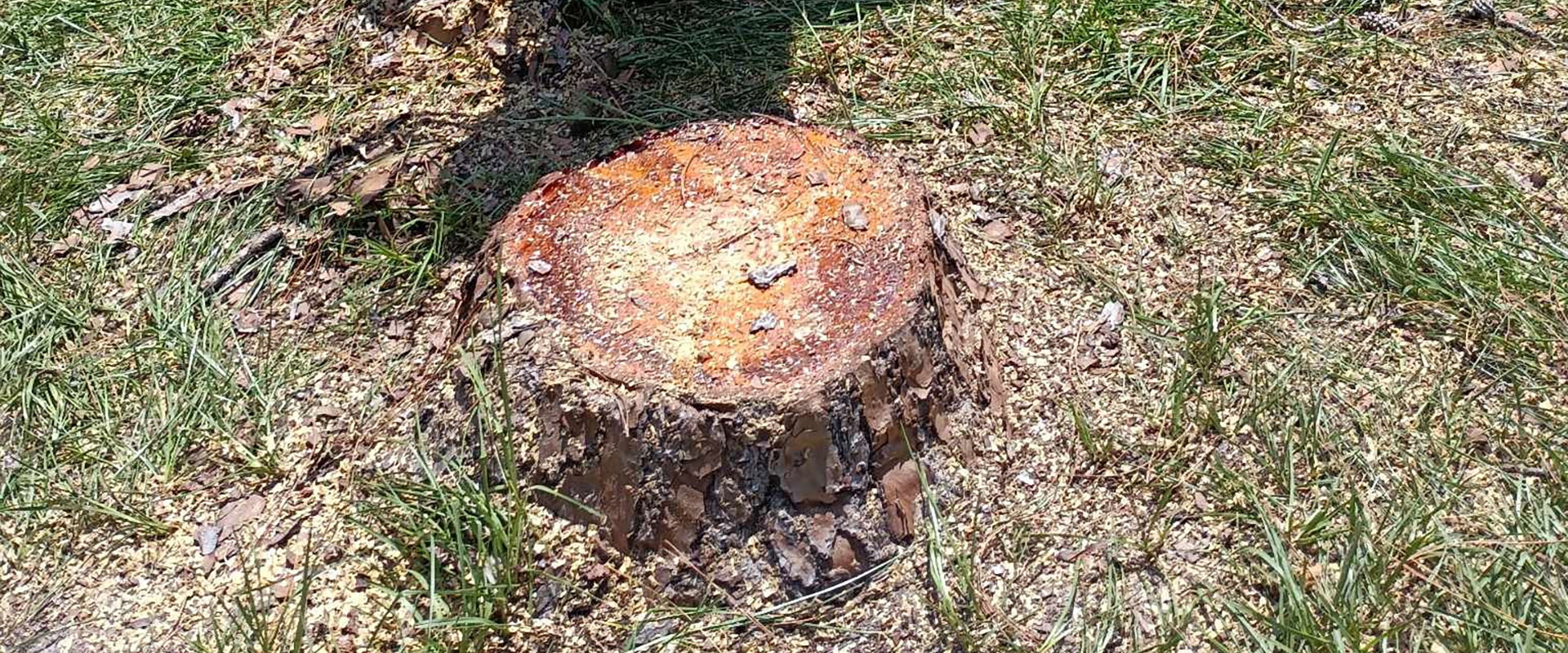
Stump grinding is an important step in restoring a property after tree removal. By reducing the remaining stump below ground level, homeowners can reclaim usable yard space, improve landscape functionality, and prepare the area for future improvements.
Aggressive Tree Pros provides professional stump grinding services in Lake Mary, FL, serving Winter Park, DeLand, and surrounding Orlando-area communities. This service helps property owners address remaining stumps that can interfere with landscaping plans, routine maintenance, and long-term use of the outdoor space.
Stump grinding is typically performed after tree removal to reduce the remaining stump below ground level and restore usable space. In Lake Mary, Winter Park, DeLand, and surrounding Central Florida communities, leaving a stump in place can interfere with future landscape use and create ongoing maintenance concerns.
Site Condition and Usability:
Exposed stumps can disrupt lawn surfaces, interfere with grading, and limit future planting or landscape improvements. Grinding allows the area to be leveled and restored for normal residential use without a permanent obstruction remaining in place.
Property Safety:
Stumps left at or above grade may create tripping hazards in areas used regularly by family members, guests, lawn maintenance crews, or outdoor activities. Reducing the stump below ground level helps improve accessibility and supports safer use of the surrounding property.
Stump grinding helps prepare a property for future landscaping, lawn restoration, and other outdoor improvements by eliminating the visible stump and creating a more usable surface area. Once the stump is reduced below grade, the area can be restored more effectively as part of an overall landscape plan.
Certain tree species may produce new shoots from a remaining stump or root collar. Grinding helps reduce the likelihood of stump-based regrowth and recurring maintenance concerns in the same location.
Stump grinding also produces wood chips that may be reused on site or removed, depending on landscape goals. When managed appropriately, residual mulch can help retain surface moisture and reduce erosion around planting areas without limiting future use of the space.
Call (407) 886-1800 to get started.
Why Tree Stumps Should Be Removed
Many homeowners in Lake Mary, Winter Park, DeLand and the greater Orlando Florida area choose to remove a tree but postpone addressing the remaining stump. This often leads to an important question: should the tree stump be removed? While a stump may appear harmless at first, it can continue to occupy valuable space and become an ongoing part of the property’s maintenance requirements. Removing the stump helps complete the restoration process and allows the area to be used more effectively moving forward.
A remaining stump can limit future property improvements and create challenges when planning landscaping projects, lawn renovations, grading work, or other outdoor enhancements. When stump grinding follows the tree removal process, the area can be returned to a more functional condition and better prepared for future use.
Stump removal decisions are often part of a broader property-maintenance strategy. Homeowners who stay proactive through regular tree inspections and ongoing landscape care are typically better positioned to address issues before they create larger concerns. Grinding a stump after removal helps eliminate one of the most common obstacles left behind after tree work is completed.
Can Tree Stumps Attract Termites and Other Pests?
As a stump breaks down over time, the remaining wood can create conditions that attract insects and other organisms that depend on decaying organic material.This does not mean every stump will lead to a pest problem, but unmanaged wood decay is one of several factors homeowners should consider when deciding whether to leave a stump in place.
In the greater Orlando area, heat, humidity, and seasonal rainfall can accelerate organic breakdown. As decomposition progresses, a stump may become attractive to termites, ants, beetles, fungi, and other activity commonly associated with deteriorating wood. Similar warning signs are often observed in standing trees, where tree decay may appear through fungal growth, soft wood, loose bark, or other visible changes.
Stump grinding helps reduce the amount of exposed decaying wood left at the surface. By removing the visible stump and reducing the material that supports ongoing decomposition, homeowners can better manage the area and reduce one of the conditions that may contribute to pest activity over time.
Can a Tree Stump Grow Back After Removal?
One of the most common questions homeowners ask after a tree has been removed is whether the remaining stump can grow back. Some tree species are capable of producing new shoots from a remaining stump or root collar after a tree has been removed. These shoots, often called sprouts or suckers, develop as the root system attempts to continue supporting new growth. Whether regrowth occurs depends on factors such as the tree species, the condition of the stump, and the amount of living tissue that remains.
For Central Florida homeowners, stump regrowth can become an ongoing maintenance concern. New shoots may continue appearing around the stump or nearby root system, requiring repeated trimming to keep the area under control. While these sprouts are often smaller than the original tree, they can create an untidy appearance and interfere with future landscape plans if left unmanaged.
Stump grinding helps reduce the likelihood of regrowth by removing the visible stump and disrupting much of the tissue capable of producing new shoots. Although deeper roots typically remain underground and decompose naturally over time, grinding significantly reduces the conditions that support continued stump-based growth. This is one reason many property owners choose to address the stump soon after a tree has been removed.
Does Stump Grinding Remove Tree Roots?
One of the most common questions homeowners ask after a tree is removed is does stump grinding remove the entire tree root system? While stump grinding removes the visible stump and reduces nearby surface roots, it does not usually remove the entire underground root system. Most deeper roots remain below the soil and break down naturally over time. This is normal after stump grinding and should be understood before planning new lawn, planting, or landscape work in the same area.
Because roots can extend beyond the stump itself, the amount of root material left underground depends on the size of the tree, the species, the age of the root system, and the depth of grinding. In many residential situations, complete root excavation is not necessary unless the remaining roots interfere with construction, hardscaping, irrigation work, or other site-specific improvements.
After grinding, some settling may occur as underground root material decomposes. Homeowners may need to add soil later to keep the area level, especially if the space will be used for grass, planting beds, or other landscape improvements. Understanding what happens below the surface helps set realistic expectations for how the area can be restored after the stump is removed from view.
Stump Grinding vs Stump Removal
One of the most important decisions homeowners make after a tree is removed is whether stump grinding or complete stump removal is the better option. Stump grinding reduces the visible stump below ground level and leaves most deeper roots to decompose naturally underground. Complete stump removal involves extracting the stump and a larger portion of the root mass, which usually requires more excavation and creates greater disturbance to the surrounding area.
For many residential properties, stump grinding is the preferred option because it resolves the visible obstruction while limiting disruption to the lawn and nearby landscape features. This makes it a practical next step after tree removal when the goal is to restore the area without fully excavating the root system.
A recent residential project in Central Florida demonstrates how stump grinding can address a large stump without requiring extensive excavation around established landscaping. Aggressive Tree Pros completed the stump grinding around a retaining wall, carefully maneuvering equipment within a raised planting bed bordered by shrubs and a retaining wall.
Complete stump removal may be considered when the remaining root mass conflicts with construction, hardscaping, drainage work, or other site-specific plans. In most ordinary landscape restoration situations, however, grinding provides a less invasive way to address the stump, improve the surface area, and prepare the property for future use.
Stump Grinding FAQs
Additional Information On Stump Grinding
Stump grinding removes the visible stump while allowing most deeper roots to decompose naturally underground over time. As the remaining root system breaks down, some soil settling may occur and additional soil may be needed before final landscaping is completed. For homeowners in Lake Mary, Winter Park, DeLand, and throughout the greater Orlando area, understanding these post-grinding conditions can help support more effective planning for future lawn, planting, and landscape improvements.
Book a Free Estimate
Our success is built on your satisfaction. We treat all our customers like they are family. We are ready to meet and exceed your expectations! Our staff includes a certified arborist and is ready to help you every step of the way.
Contact us by email or call (407) 886-1800 to get started today.