Testimonials


-
Matthew and his team are incredible and always makes sure you are happy with the final work.
 Carsten L.
-
HIGHLY RECOMMEND!! I had a great experience with Aggressive Tree Pros! They trimmed my large tree and did an awesome job. They were all so personable,... read more
Lisa P.
-
I want to thank Matt from aggressive tree pros for the wonderful service they gave our HOA community here in Deland. We needed our... read more
WV N.


What To Do When a Tree Falls on Your Home During a Storm in the Orlando, Florida Area
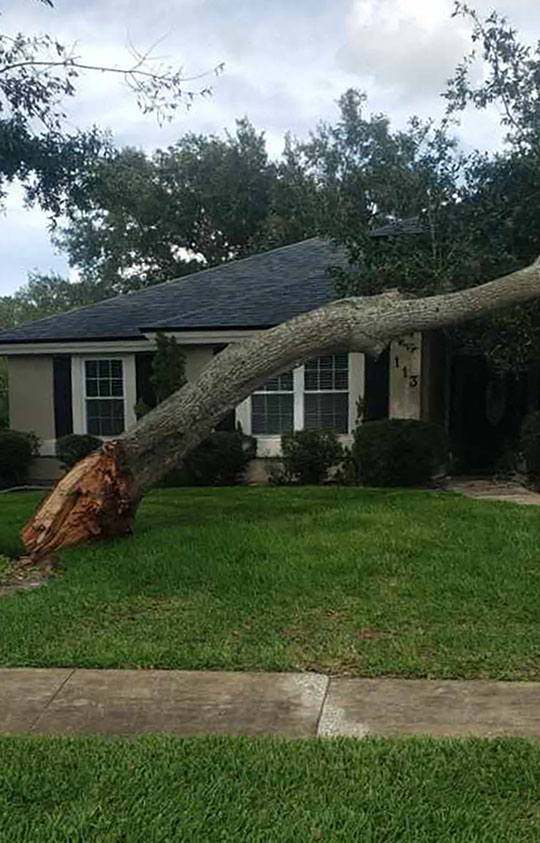
Severe weather can change a property in a matter of seconds. Few situations are more unsettling for a homeowner than hearing or seeing a tree fall onto a house during a storm, leaving questions about personal safety, structural damage, and what should happen next.
For homeowners in Lake Mary, Winter Park, DeLand, and surrounding areas throughout the Greater Orlando Florida Area, hurricanes, tropical storms, heavy rain, and strong winds can cause trees to fail with little warning. Whether the tree has landed on the roof, damaged a garage, blocked an entrance, or come to rest against the home, understanding the safest order of actions can help protect your family while reducing the possibility of additional damage.
Every situation is different, but responding calmly and methodically can help homeowners avoid unnecessary risks while allowing informed decisions to be made about the next steps.
Knowing when to secure the area, when to document visible damage, and when to request professional emergency tree services after severe weather can make the recovery process safer and more manageable.
Make Personal Safety the First Priority
After a tree has fallen onto a home, the immediate concern should always be the safety of everyone inside.
Check everyone in the home for injuries. If there is significant structural damage, signs of collapse, or an immediate danger to occupants, move to a safe location if it can be done safely and contact emergency responders.
Avoid entering rooms where ceilings are sagging, walls have shifted, or large limbs remain suspended above occupied areas.
Property damage can be repaired. Protecting people should always come first.
Hidden Dangers May Still Exist
The initial impact is not always the end of the emergency.
A fallen tree may continue shifting as damaged limbs settle, weakened trunks move, or compromised sections of the home change under the weight of the tree. Electrical hazards may also be present if utility lines or service equipment have been affected.
Throughout the Greater Orlando Florida Area, repeated summer thunderstorms, tropical systems, and saturated soil conditions can continue placing stress on damaged trees even after the worst of the weather has passed.
If the tree is touching utility lines or electrical equipment, stay well away from the area and contact the appropriate utility provider. Never assume a downed line is safe because it appears inactive.
Keeping family members, neighbors, and pets away from the damaged area helps reduce the risk of additional injuries while the situation is being evaluated.
Document the Damage Safely
Once everyone is safe and immediate hazards have been addressed, documenting visible damage can be helpful.
Photograph the fallen tree, affected portions of the home, vehicles, fences, and other damaged property whenever it can be done safely from the ground.
Avoid climbing onto the roof or entering unstable areas simply to obtain photographs. Documentation is valuable, but it should never place anyone in danger.
Resist the Urge to Start Cleanup
Many homeowners understandably want to begin removing branches or clearing debris immediately after a storm.
However, trees resting on a structure often contain tremendous amounts of stored weight and tension. Limbs that appear stable may shift suddenly once they are cut or moved.
Even if the tree is blocking a driveway, doorway, or garage, avoid attempting to pull or move large sections of the trunk using chains, vehicles, tractors, or other equipment. Shifting the weight of a fallen tree can increase structural damage and create serious safety hazards.
If portions of the tree remain unstable after the initial impact, understanding why damaged trees can continue creating hazards even after a storm helps explain why caution is so important during cleanup.
When Emergency Tree Service Is the Right Response
Not every fallen tree requires the same level of emergency response.
A tree that falls harmlessly into an open portion of the yard presents a much different situation than one resting on a home, threatening occupants, blocking access, or creating the possibility of additional structural failure.
Understanding how emergency tree services help stabilize hazardous situations after severe weather can help homeowners better understand what to expect when immediate professional assistance becomes necessary.
The goal is always to restore safety first while minimizing the potential for further damage.
Every Storm-Damaged Tree Requires an Individual Evaluation
No two storm events create exactly the same type of damage.
Some trees suffer complete structural failure and require removal. Others lose major limbs while the remaining tree may still be evaluated for long-term stability. Factors including trunk damage, root condition, remaining canopy, and the way the tree is resting against the structure all influence the safest course of action.
Not every storm-damaged tree requires immediate removal. Some trees can be safely repaired or monitored after a professional evaluation, depending on the extent of the damage and the tree’s long-term stability. Knowing whether a storm-damaged tree should be repaired, removed, or monitored gives homeowners a clearer picture of how professionals determine the safest long-term course of action after severe weather.
Before deciding whether a damaged tree should be preserved or removed, it can be helpful to understand how storm damage affects emergency tree removal decisions and why every situation deserves an individual assessment.
When removal becomes necessary, knowing when professional tree removal becomes the safest long-term solution helps homeowners better understand the options available.
The First Few Hours Matter
The hours immediately following a storm are often the most confusing for homeowners, but keeping a simple sequence in mind can help reduce unnecessary risk.
- Make sure everyone is safe before focusing on the property.
- Stay away from unstable trees, damaged structures, and utility hazards.
- Photograph visible damage only when it can be done safely.
- Avoid moving or cutting trees resting on the home.
- Arrange for a professional evaluation when the tree presents an immediate safety concern.
Preparing before severe weather is equally important. Reviewing practical hurricane season tree care recommendations before the next major storm can help identify potential problems before they become emergencies.
Frequently Asked Questions About Trees Falling on Homes During Storms
Emergency Tree Services After a Tree Falls on Your Home
A tree falling onto a home can leave homeowners facing important decisions during an already stressful situation. Understanding what to do during the first minutes and hours afterward can help reduce additional risks while protecting both people and property.
Aggressive Tree Pros provides emergency tree services after severe weather for homeowners in Lake Mary, Winter Park, DeLand, and surrounding areas throughout the Greater Orlando Florida Area. Whether a tree has damaged your home, blocked safe access to your property, or created additional hazards following a storm, taking a careful, safety-first approach can help you make informed decisions about the safest path toward recovery.
Need a professional eye? Call (407) 886-1800, (386) 215-7816 (Español) to request a free estimate or email us at [email protected] to have a certified arborist inspect your trees today.
Like and Follow Aggressive Tree Pros, LLC on Facebook and Instagram for new tree care tips and advice every week.
Book a Free Estimate
Our success is built on your satisfaction. We treat all our customers like they are family. We are ready to meet and exceed your expectations! Our staff includes a certified arborist and is ready to help you every step of the way.
Contact us by email or call (407) 886-1800 to get started today.